SMS Marketing for Skin Care Brands: 6 Winning Flows

SMS marketing for skin care brands drives repeat sales with replenishment flows, segmentation, and 6 proven campaign examples.
SMS messages see open rates above 98% compared to roughly 20% for email in the DTC beauty category. That gap isn't new. What's new is the business pressure forcing brands to act on it.
Why SMS Marketing for Skin Care Brands Matters in 2026

SMS messages see open rates above 98% compared to roughly 20% for email in the DTC beauty category. That gap isn't new. What's new is the business pressure forcing brands to act on it.
Paid acquisition costs on Meta and Google have climbed steadily, with some skin care brands reporting CPAs 40–60% higher than three years ago. iOS privacy changes have further eroded retargeting precision, making the cost-per-acquired-customer on paid channels harder to justify at scale. Brands that built growth on third-party audiences are now absorbing the consequences.
Skin care has a structural advantage here. The replenishment cycle, typically 30 to 90 days depending on product category, creates predictable re-engagement windows that SMS is built for. A moisturizer running low isn't a random event. It's a scheduled revenue opportunity.
Stop using SMS like a glorified pager. It's a waste. Brands that treat **SMS marketing for skin care brands** as a simple notification tool are leaving up to 30% of their potential mobile revenue completely untracked. The channel only really sings when you've got it wired directly into your attribution, segmentation, and critical lifecycle triggers.
Platforms like Zefir give retention teams the infrastructure to run enterprise-grade SMS programs with full attribution visibility, frequency controls, and revenue reporting, without building the orchestration layer from scratch.
Why Skin Care is Uniquely Suited to SMS Marketing
Skin care has a built-in retention structure most ecommerce categories lack: predictable consumption cycles. A 30ml serum runs out in roughly 30 days. A moisturizer lasts 60. That rhythm gives text message marketing in the beauty and skin care space a timing advantage generic promotions can't replicate, your send schedule is anchored to biology, not a content calendar.
The category also demands more from messaging than apparel or home goods. Customers have questions about ingredients, compatibility, and application order. SMS handles that at scale, especially with two-way conversation enabled, in a way email doesn't, given open rates above 90% versus email's industry average of around 21%.
Where text message marketing for skincare brands strategies diverge from standard ecommerce is in three areas: personalization depth, regulatory caution, and segmentation precision. Health-adjacent claims require careful copy review. Segmentation by skin type, primary concern, and purchase history isn't optional, it's the baseline.
Replenishment and Reorder Flows
The most reliable revenue driver is a timed replenishment sequence tied to average product depletion date not a fixed promotional calendar. A practical cadence:
Day 25: Soft reminder that their cleanser is likely running low, with a usage tip
Day 30: Direct reorder prompt with a one-tap checkout link, pre-populated with their exact SKU
Zefir's automation engine pulls purchase timestamps from Shopify and triggers these sequences automatically. Customers who reorder before Day 25 should exit the flow immediately, failure to suppress them accelerates unsubscribes.
Post-Purchase Education Sequences
A customer who doesn't know how to use a product correctly will return it or stop buying. Post-purchase SMS sequences that deliver ingredient spotlights,
SMS Campaign Examples Ecommerce Skin Care Brands Should Replicate
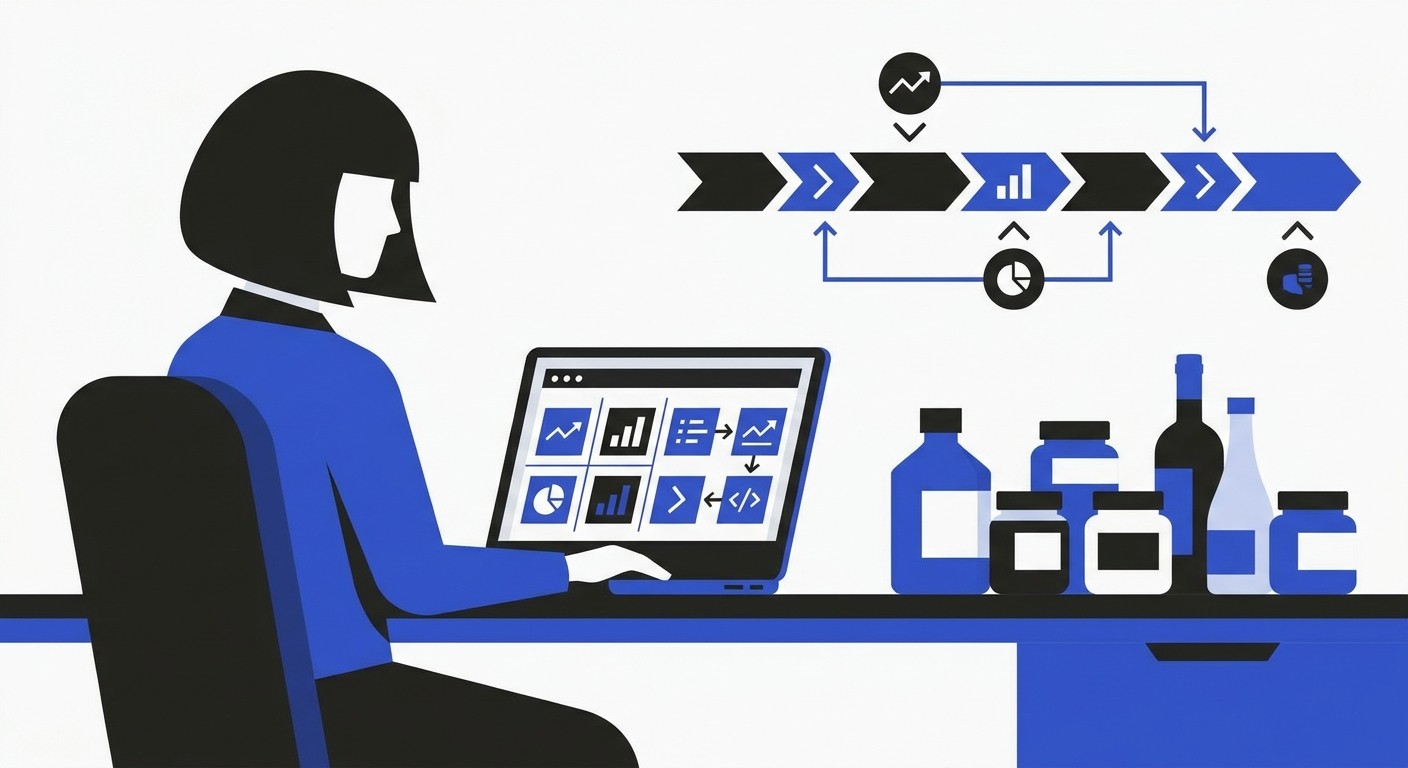
The campaigns that consistently drive revenue aren't the most creative ones. They're the most precisely timed. Here are six proven formats, each built around a specific trigger and a measurable outcome.
Welcome series with skin quiz CTA: Trigger: opt-in confirmation. Message: "Welcome to [Brand]. Your skin deserves a routine built for it, take our 60-second quiz and get your match. [link]" Expected outcome: 20–35% quiz completion rate, higher first-purchase conversion through personalization.
VIP early access drops: Trigger: loyalty tier reached. Message: "You're in. Our new Barrier Repair Serum drops Friday, VIP access starts now, 24 hours early. [link]" Expected outcome: 15–25% lift in repeat purchase rate among top-tier customers.
**Seasonal routine swap:** Trigger this automation on the first official day of winter, December 21st. "Your summer routine won't cut it now. It's time to swap to your cold-weather lineup before dry skin sets in. [link]" This is a perfect play for increasing **AOV** by bundling a heavier moisturizer with a hydrating serum.
**Birthday/anniversary offer:** Trigger this based on a customer's birthday or their one-year subscription anniversary. Send them a message that feels personal: "Happy birthday, Sarah! We've got a gift for you, a 20% discount on us. [link]" But add urgency. It expires in 48 hours. This simple, timely offer consistently sees a 3–5x higher redemption rate than your average promo blast.
**Back-in-stock alert for hero SKUs:** Trigger the moment inventory is restocked for a product with a waitlist of over 500 people. Hit them with a quick message. The Vitamin C Brightening Serum you wanted is finally in stock, but it won't last long. [link]" Honestly, this stuff sells itself. You can expect a massive 40–60% conversion rate from subscribers who asked for this alert.
Welcome Series With Skin Quiz Integration
A three-message welcome flow does two things simultaneously: it confirms the opt-in and starts collecting zero-party data before the first purchase.
Message 1 (immediate): opt
Building a Compliant SMS List for Your Skin Care Brand
Most skin care brands treat list growth as a volume game. A segmented list of 10,000 engaged subscribers consistently outperforms 100,000 unengaged contacts both in revenue per send and in deliverability scores that protect long-term channel health.
Compliance isn't optional. Under TCPA regulations in the US and GDPR in the EU, SMS marketing requires explicit opt-in, clear consent language at collection, and a frictionless opt-out path in every message. TCPA penalties run up to $1,500 per unsolicited message.
Zefir's built-in compliance tools handle consent capture, opt-out processing, and audit trails automatically, removing operational burden without custom development.
Opt-In Tactics That Convert for Beauty Brands
These four methods consistently outperform generic approaches for skin care audiences:
Exit-intent pop-up with a quiz or discount a personalised skin type quiz or 10% off converts at 2–5% of triggered sessions, above standard email pop-up benchmarks
Post-purchase checkbox placed at checkout confirmation, this captures buyers at peak brand trust; expect 15–25% opt-in rates from converted customers
Instagram Story keyword campaign subscribers DM a keyword (e.g. "GLOW") to trigger an automated opt-in flow, combining social reach with direct channel capture
Loyalty program enrollment tying SMS consent to points access produces highly engaged subscribers because the incentive is ongoing, not one-time
Omnichannel brands should add in-store QR codes at point of sale. Note: QR-based collection requires a trained staff prompt, passive placement rarely drives meaningful scan rates.
Segmentation and Personalization Strategies for Skin Care SMS
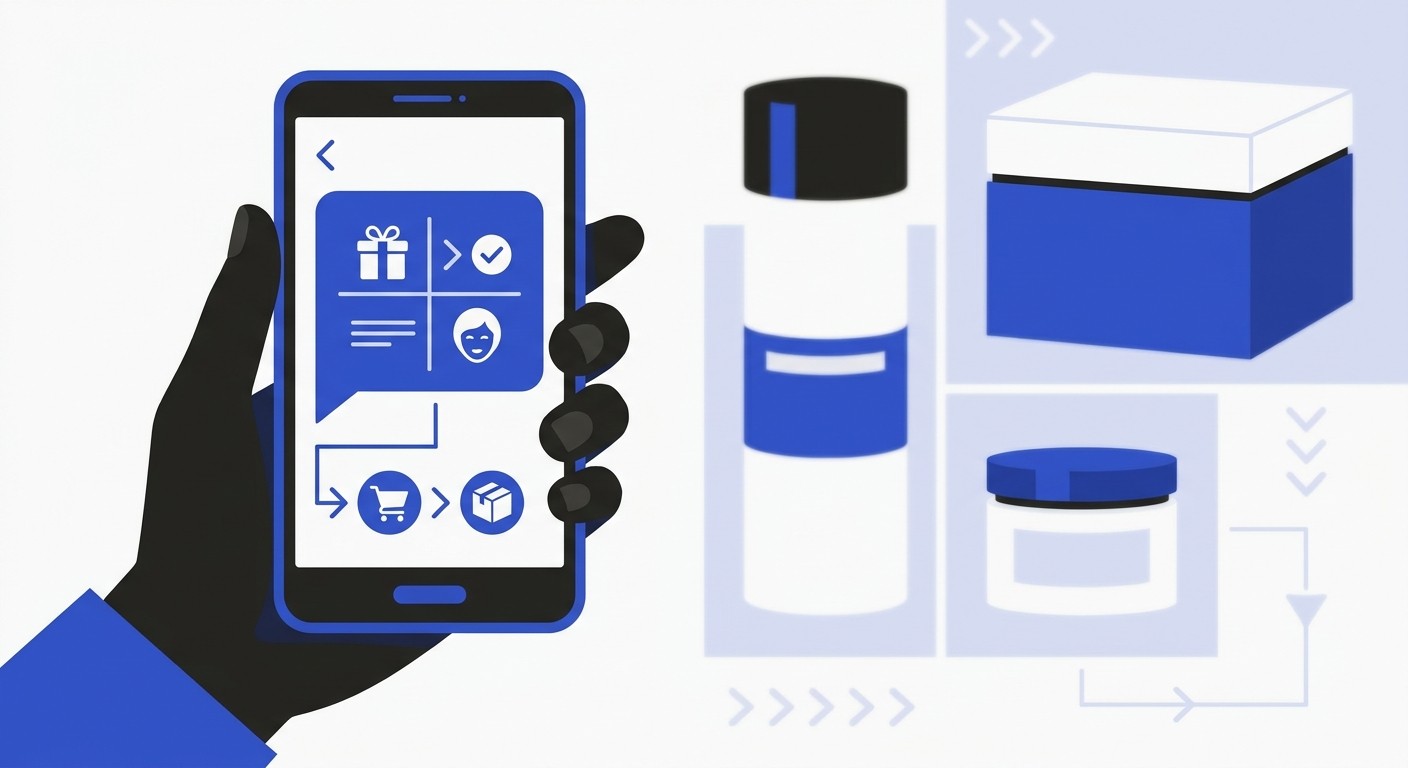
Skin care buyers don't behave like apparel or home goods customers. Their purchase decisions are tied to biology, skin type, sensitivity, existing routines, which means a single broadcast message is almost guaranteed to miss the majority of your list. A serum for oily skin sent to someone managing eczema doesn't just underperform; it signals that you don't know your customer.
Effective text message marketing for skin care companies requires layering at least five distinct segmentation dimensions:
Skin type: oily, dry, combination, and sensitive, each with different product affinities and replenishment cycles
Product category purchasers: cleanser buyers behave differently from SPF or treatment buyers
**Purchase frequency cohorts:** Not all buyers are the same, so don't you dare message them that way. Break them down into logical groups: one-time purchasers who need a compelling reason to return, customers with two-plus orders, and your loyal subscription-adjacent repeat buyers who might just need a nudge to try our new SPF 50 moisturizer.
Lifecycle stage: new, active repeat, and lapsed customers require different message cadences and offers
Engagement recency: a subscriber who clicked three weeks ago is not the same audience as one who's been silent for 90 days
Personalized SMS campaigns in beauty and skin care consistently outperform generic broadcasts, with segmented messages generating 2-3x higher click-through rates compared to unsegmented sends. Zefir's segmentation engine pulls real-time behavioral data directly from Shopify, purchase history, browse events, product views, so segments update automatically without manual exports.
Behavioral Triggers vs Broadcast Campaigns
The split most skin care brands get wrong: they over-invest in scheduled broadcasts and under-build their trigger library. Broadcasts, product launches, seasonal sales, promotional windows, have their place. But triggered automations tied to specific behaviors consistently deliver higher revenue per message.
Triggered messages worth building first:
Browse abandonment: sent within 30-60
Measuring SMS Performance and Revenue Attribution
Most skin care brands track open rates and call it measurement. That's not attribution, that's vanity. The metrics that connect SMS activity to actual revenue are revenue per recipient click-through rate, conversion rate, opt-out rate, and cost per acquisition via SMS. List growth rate matters too, but only as a leading indicator of future revenue potential, not current performance.
Premium serums and multi-step routines carry consideration cycles that stretch 7–21 days. A customer who clicks a moisturizer recommendation today may convert after a retargeting ad and a second SMS four days later. Last-click attribution assigns that sale entirely to the final touchpoint and systematically undercounts SMS contribution. Linear and time-decay models distribute credit across the full path, and for higher-priced skin care, they reflect purchase behavior far more accurately.
Zefir's attribution dashboard connects SMS sends directly to Shopify order data, giving CRM teams a view of assisted and direct revenue by campaign, segment, and message type, without manual tagging or third-party workarounds.
Key Benchmarks for Skin Care SMS in 2026
Metric
Benchmark Range
Key Variable
Open rate
95–98%
Delivery timing
Click-through rate
15–25%
Message relevance
Conversion rate
3–8%
Segment quality
Opt-out rate per campaign
<2%
Send frequency
Revenue per message
$0.15–$0.45
List engagement level
These
Common Mistakes Skin Care Brands Make With SMS
Most SMS programs don't fail because of poor creative. They fail because of avoidable operational errors that compound over time.
Over-messaging: Sending more than 6-8 messages per month drives opt-out rates above 5% in beauty categories. Cap frequency by segment, not by campaign calendar.
Generic blasts: Untargeted sends to your full list produce conversion rates 40-60% lower than segmented sends. Split by purchase history and skin concern at minimum.
Ignoring compliance: FTC and TCPA rules require explicit opt-in and clear opt-out. Non-compliance carries fines up to $1,500 per violation.
Skipping two-way messaging: Text message campaigns for beauty and skincare companies perform measurably better when subscribers can reply with questions. One-way broadcasts leave purchase intent unresolved.
No A/B testing: Send time alone can shift open rates by 20-30%. Test message copy and delivery windows before scaling any campaign.
How to Scale SMS Revenue With Zefir's Platform
Most SMS marketing for skin care brands fails at the platform level, not the strategy level. Teams are running replenishment reminders in one tool, WhatsApp VIP flows in another, and compliance checks manually. The revenue leaks from that fragmentation are measurable and avoidable.
Zefir puts SMS and WhatsApp under one attribution model, with Shopify-native data feeding real-time segmentation from the moment a purchase completes. Automated compliance controls handle opt-in enforcement and quiet hours without manual oversight.
Skin care-specific flows, replenishment nudges timed to product usage cycles, routine education sequences, early VIP access drops, launch without engineering resources. The triggers, logic, and audience filters are built directly into the platform.
Revenue attribution per flow, not just per channel
Frequency caps that prevent over-messaging high-LTV segments
Unified inbox for two-way SMS and WhatsApp conversations
See how the platform is built at /how-zefir-works or review plan structures at /pricing.