Conversational Commerce for Fashion & Apparel Ecommerce: How Leading Brands Increase Conversions with WhatsApp and SMS

Fashion and apparel ecommerce brands operate in a high-speed, high-competition environment where timing and relevance drive revenue. Conversational commerce — combining WhatsApp, SMS, and automated lifecycle messaging — enables brands to recover carts faster, launch collections instantly, and build repeat purchase loops that outperform email-first strategies.
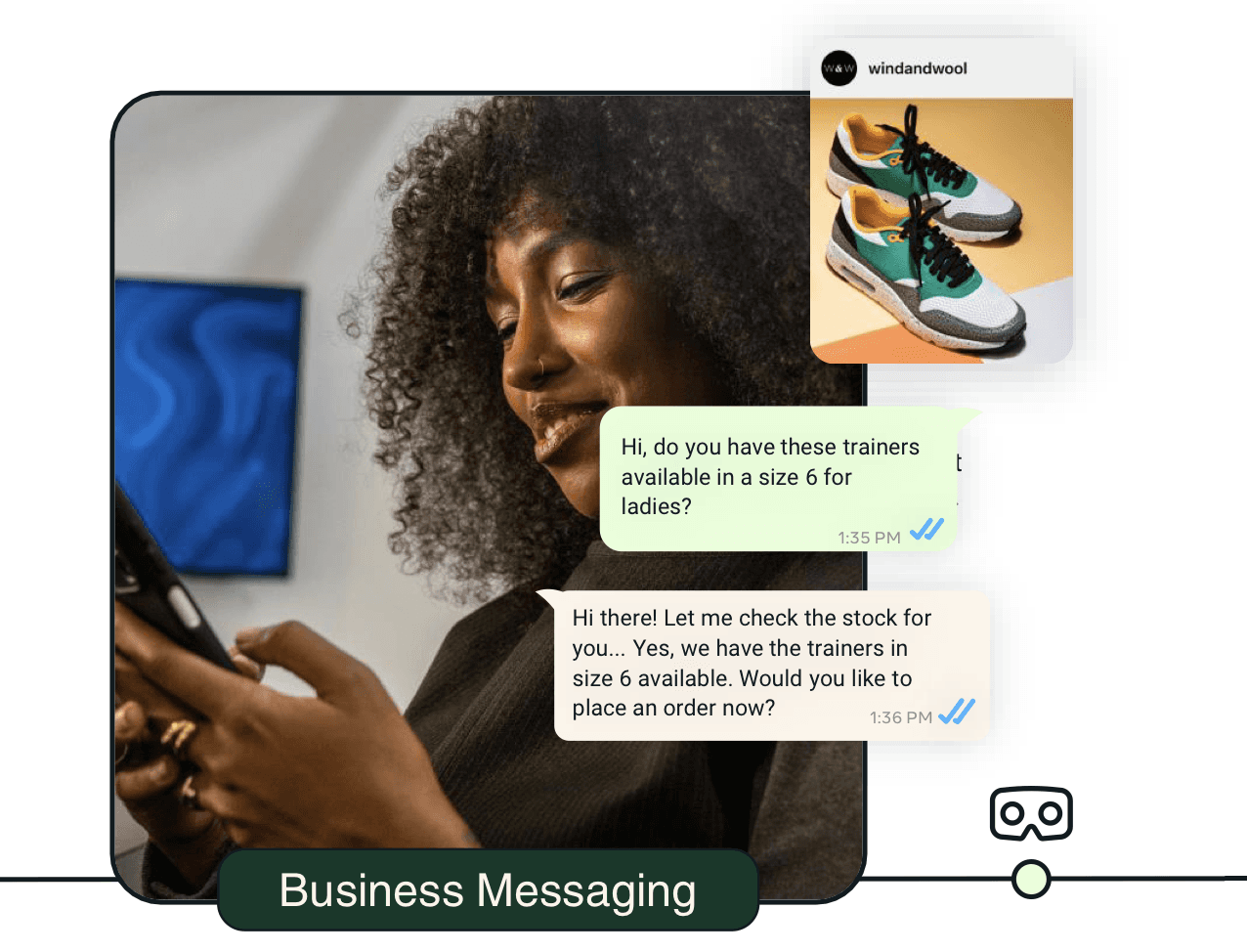
Fashion ecommerce moves at the speed of attention. Collections drop weekly, trends shift overnight, and customer intent fades quickly. Yet many brands still rely on slow, fragmented channels that fail to match how modern consumers shop. Conversational commerce changes this by placing real-time, two-way messaging — powered by WhatsApp and SMS — at the core of the customer journey.
Fashion and apparel ecommerce is one of the most competitive categories online. Margins are pressured by paid traffic, product lifecycles are short, and customer attention is increasingly fragmented. In this environment, the brands that win are not those sending more campaigns — but those that shorten decision cycles and re-engage customers at the exact moment of intent.
Conversational commerce has emerged as one of the highest-leverage systems for achieving this. By combining WhatsApp, SMS, and automated lifecycle logic, fashion brands are able to convert existing traffic more efficiently, recover lost revenue, and build repeat purchase loops without increasing ad spend.
Why WhatsApp outperforms email for fashion ecommerce
WhatsApp consistently shows open rates above 90% and click-through rates 5–10× higher than email. More importantly, messages are typically opened within minutes. For fashion ecommerce — where purchase intent decays rapidly — this speed is critical.
When a customer abandons a cart due to sizing uncertainty, price comparison, or simple distraction, a WhatsApp message delivered within 5–15 minutes can recover up to 25–33% of otherwise lost checkouts, depending on category and price point. This is materially higher than email-only recovery flows, which often arrive hours later.
Because WhatsApp supports rich media, brands can re-send:
The exact product viewed
Alternative colors or sizes
Fit guidance or FAQs
Quick reply buttons (“Check size”, “View product”, “Complete order”)
This removes friction without defaulting to discounts — protecting margin while increasing conversion.
SMS as a reach and urgency layer
SMS plays a complementary role in fashion conversational commerce. While WhatsApp is the primary engagement channel, SMS ensures:
Reach when WhatsApp delivery is not possible
High visibility for time-critical events
Simple, unmissable alerts for drops and restocks
Brands using WhatsApp + SMS together see higher overall recovery rates and fewer missed touchpoints across regions and devices.
Product drops, launches, and time-boxed campaigns
Fashion brands running WhatsApp campaigns for product drops and limited releases regularly see 10–18× ROAS, because the audience is already warm and highly intent-driven.
Unlike email blasts, WhatsApp allows:
Instant delivery to segmented audiences
Personalised product links
Real-time responses from customers
Automated follow-ups to non-openers or clickers
This results in faster sell-through, cleaner inventory management, and stronger control over demand spikes.
Post-purchase engagement and repeat revenue
The majority of fashion ecommerce revenue is generated by repeat customers, yet most brands underutilize post-purchase messaging.
Conversational commerce enables:
Delivery confirmations via WhatsApp or SMS
Styling suggestions based on purchased items
Cross-sell recommendations with personalized logic
Timed follow-ups when customers are most satisfied
Brands implementing structured post-purchase flows routinely see double-digit increases in repeat purchase ratewithout additional acquisition cost.
Why this matters to ecommerce teams
For founders and CEOs, conversational commerce is not a “marketing channel”. It is a conversion efficiency system.
With Zefir, fashion brands connect Shopify events directly to automated messaging flows and see:
Revenue per message
Conversion per flow
ROI per channel
Incremental lift vs email and paid traffic
This allows leadership teams to scale revenue without scaling ad spend — a critical advantage in today’s fashion ecommerce landscape.