WhatsApp Marketing for Ecommerce: How Top Brands Scale in 2026
January 9, 2026

WhatsApp has become one of the highest-converting communication channels for ecommerce brands. With open rates above 90% and real-time, conversational engagement, it consistently outperforms email and traditional SMS across key customer journeys. In 2026, leading online retailers use WhatsApp not just for support, but for revenue-driving automations, product launches, abandoned cart recovery, and retention flows.
Most ecommerce brands struggle with fragmented communication: email for promotions, SMS for alerts, live chat for support, and manual processes tying everything together. The result is slow responses, lost conversions, and inconsistent customer experiences. WhatsApp changes that. It brings speed, clarity, and real conversations into the heart of ecommerce marketing.
Why WhatsApp Works So Well for Ecommerce
WhatsApp combines the immediacy of SMS with the richness of chat. Customers open messages within minutes, reply naturally, and feel like they’re speaking to a real brand — not an automated system.
For ecommerce, this means:
Faster responses
Higher engagement
More recovered carts
Stronger customer trust
High-Impact WhatsApp Use Cases
Abandoned Cart Recovery
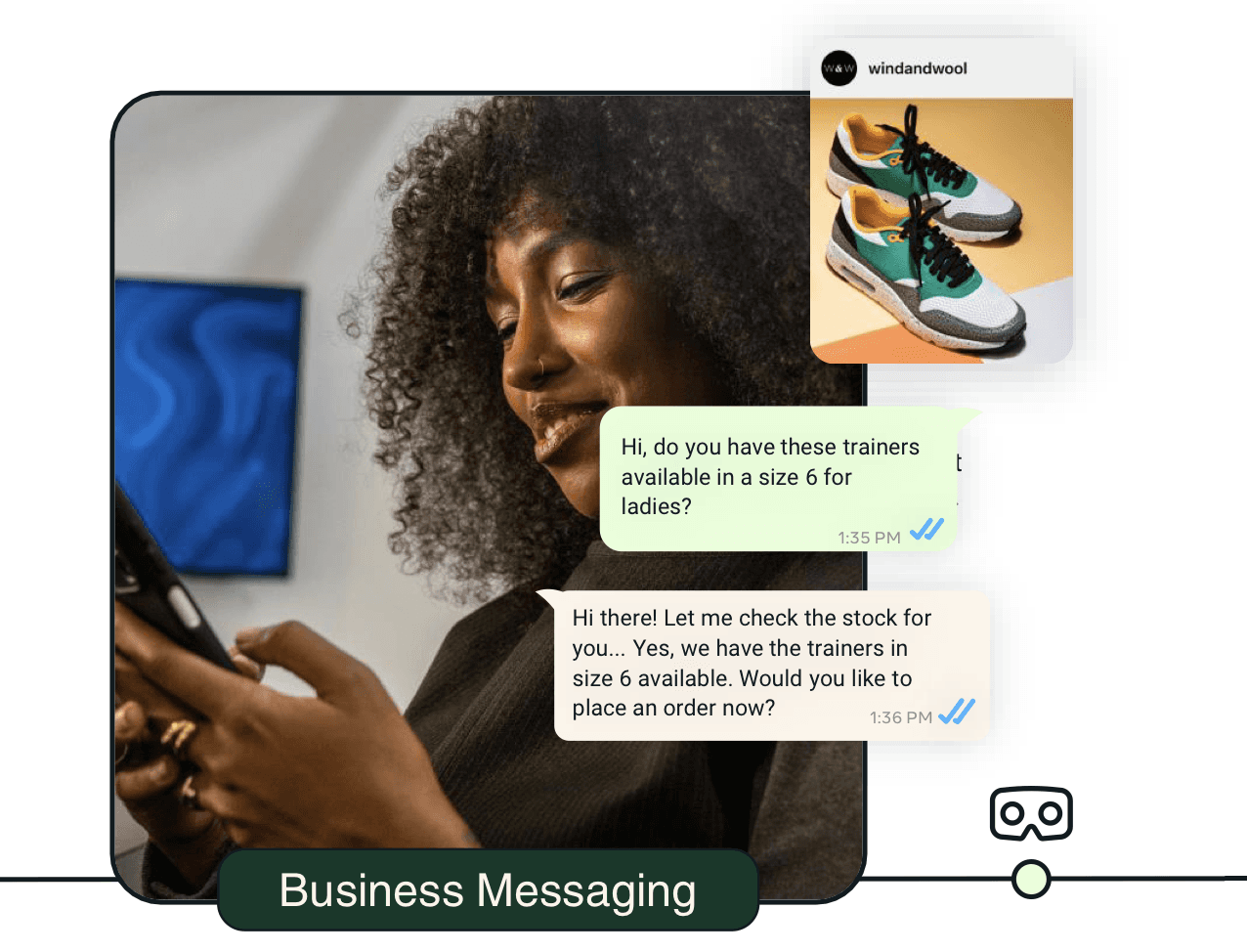
WhatsApp reminders with product images and quick replies consistently outperform email in recovering lost checkouts.
Order & Delivery Updates
Automated shipping notifications reduce “Where is my order?” tickets and increase satisfaction.
Product Launches & Drops
Instant delivery creates urgency and boosts conversion during limited releases.
Post-Purchase Upsells
Suggest accessories, refills, or bundles after delivery confirmation.
Automation Makes WhatsApp Scalable
With Zefir, ecommerce brands automate:
Shopify-triggered WhatsApp flows
Multi-step conversations
AI replies for common questions
Revenue tracking per message
Compliance & Trust
WhatsApp Business API ensures:
GDPR-compliant opt-ins
Secure brand messaging
Customer data protection
And the best part? Smart workflows get sharper as you use them. With tools like Prospect, the system begins to anticipate patterns, streamline repeatable work, and adapt to your pace. That’s not a someday benefit—it starts on day one.
“The first day using Prospect felt like someone turned the lights on. Suddenly everything just… made sense.”
Most teams know what bad workflows feel like: clunky handoffs, endless follow-ups, siloed tools, and time lost to manual effort. It’s a kind of ambient friction—always there, always slowing things down, even if no one’s talking about it. It creeps in through unnecessary steps, disconnected platforms, and a general lack of clarity about what’s happening, when, and why. Before long, it becomes the default, not because it’s efficient but because it’s just what people are used to.
Where to begin
The idea of smart workflows might sound big—but the starting point doesn’t have to be. You don’t need a full implementation plan or a systems consultant to see real change. In fact, the smartest approach is to start small—pick one area that feels messy, high-friction, or repetitive. That’s your test case. From there, map it out. What are the steps? Who touches it? Where are the delays? What gets duplicated? Once you’ve laid it bare, you’ll usually see opportunities to tighten it up immediately—with better sequencing, clearer roles, or just by removing unnecessary steps altogether.
Here is a simple place to start
Identify the workflow you repeat most often
Write down every step (manual or not)
Ask what steps could be automated or removed
Clarify who owns each decision
Sync the workflow into one source of truth
Once you go through this process once, the benefits are obvious. You’ll move faster, reduce ambiguity, and surface blockers before they escalate. And when your team sees that improvement in one workflow, they’ll want to replicate it elsewhere. That’s how smart workflows spread—through results, not mandates. One clear, confident process at a time.